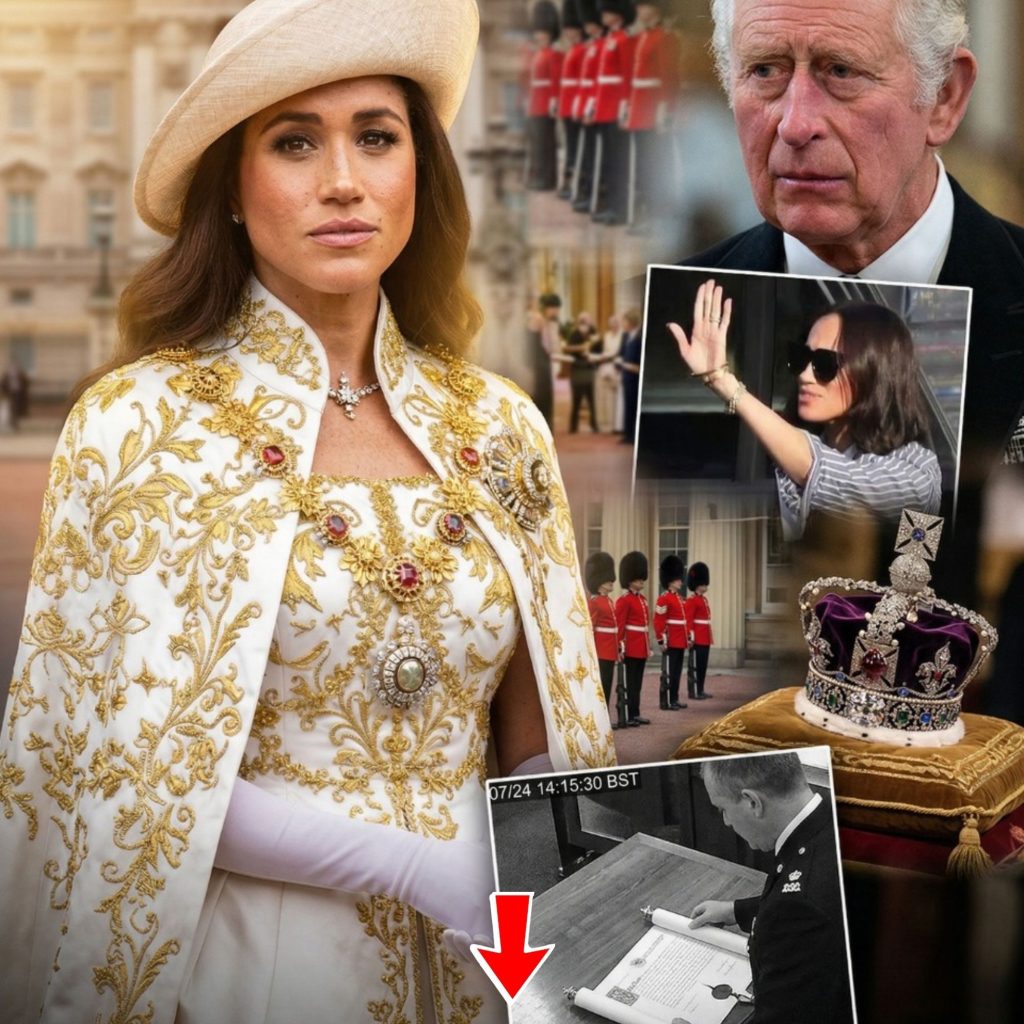
The fractured silence between California and London has finally shattered with a revelation that could fundamentally alter the course of the British Monarchy. Meghan Markle, the Duchess of Sussex, has reportedly broken her long-standing reserve to issue a stunning public overture. In a move that has sent shockwaves through the gilded halls of Buckingham Palace, Meghan has declared she is ready to offer full forgiveness to the Royal Family and consider a permanent return to the United Kingdom—but only if King Charles III agrees to one specific, non-negotiable condition that sits at the very heart of their years-long feud.
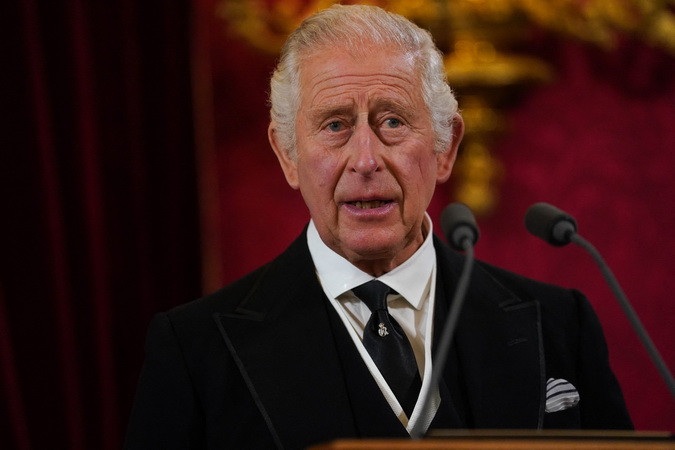
This dramatic pivot comes at a critical crossroads for the Sussexes. After years of high-profile media ventures, including the explosive Oprah Winfrey interview and the record-breaking Netflix docuseries, insiders suggest that Prince Harry and Meghan are reassessing their “American Dream.” Faced with the brutal realities of Hollywood’s fickle nature and a shifting public perception, the couple appears to be looking back toward the institution they once fled. For Meghan, however, this isn’t a retreat in defeat; it is a strategic demand for justice.
The “one condition” in question is whispered to be deeply symbolic and personal. According to sources close to the Montecito household, Meghan is no longer seeking financial settlements or specific titles. Instead, she is demanding a formal, private, and public validation of her grievances. The Duchess reportedly requires King Charles III to officially acknowledge that her experiences of institutional neglect and racial prejudice within the “Firm” were real, documented, and mishandled. For Meghan, forgiveness cannot exist without an admission of guilt from the crown itself.
Royal observers are calling this a “checkmate” move. By placing the onus of reconciliation squarely on the King, Meghan has framed the narrative around moral accountability. For King Charles, who is currently navigating significant health challenges while trying to maintain a “slimmed-down” and modernized monarchy, the dilemma is immense. To apologize would be to admit institutional failure, potentially damaging the prestige of the throne; to refuse would be to risk losing his son and grandchildren to a permanent, embittered exile.
The timing of this declaration is no coincidence. Prince Harry has recently expressed a poignant desire to reconnect with his father during the King’s cancer treatment, highlighting a soft spot in the Sussexes’ otherwise hardened exterior. Yet, Meghan’s stance remains the “iron gate.” She has made it clear that while Harry may seek a familial bond, any professional or official reintegration of the “Sussex Brand” into the Royal fold requires the King to pay this emotional price.
The reaction within the Palace is reportedly one of “stunned silence.” While the King is known for his desire to see his family unified, Prince William and Catherine, the Princess of Wales, are said to be far more skeptical. The Prince of Wales reportedly views any “condition-based” return as a Trojan horse that could bring further instability to the reign. The tension between the brothers remains at an all-time high, making Meghan’s potential return a logistical and emotional field for the courtiers in charge of the King’s image.
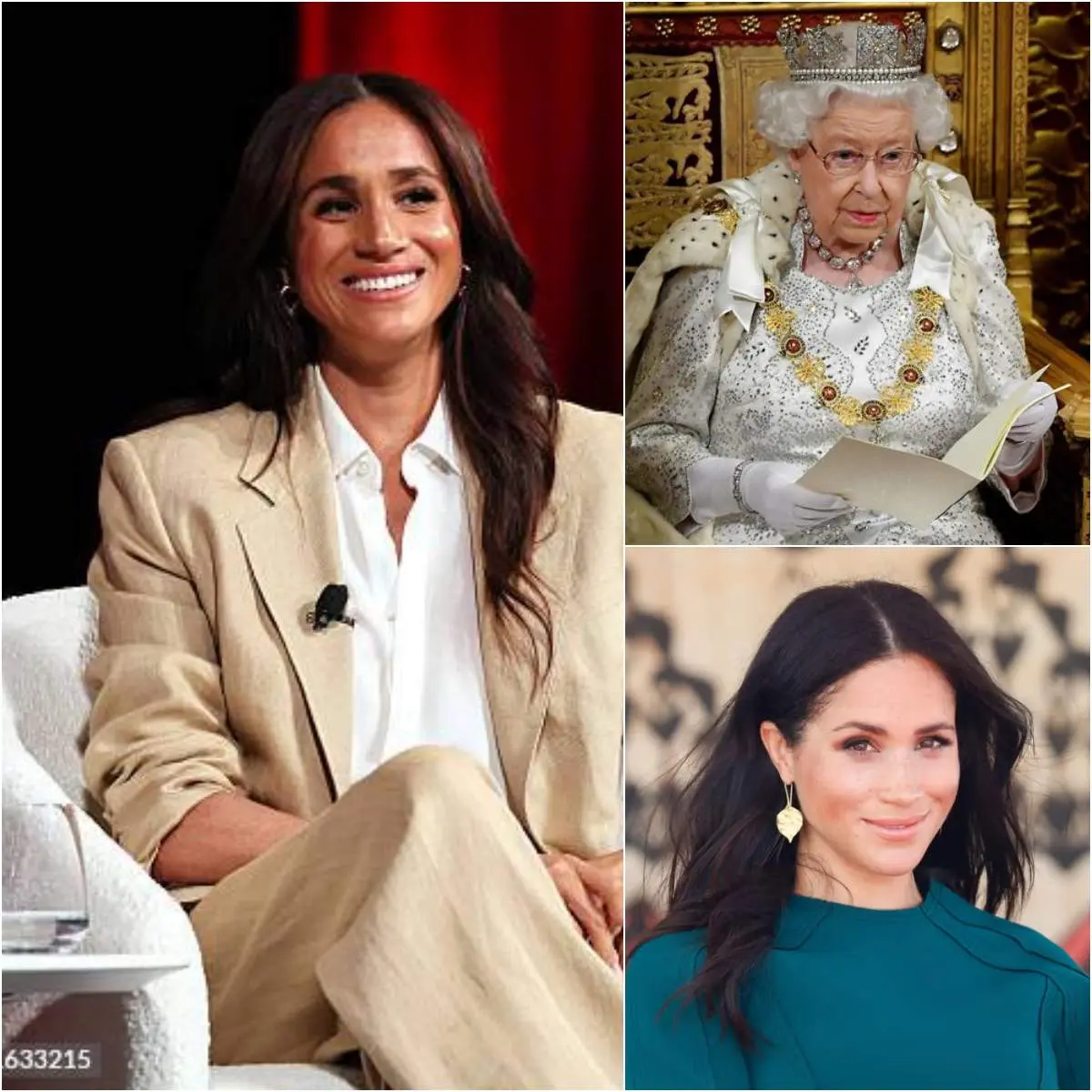
Beyond the palace walls, the public remains deeply divided. Supporters of the Duchess view this as a courageous stand for self-worth, praising her for refusing to be silenced by an ancient system. Critics, conversely, label the move as “calculated opportunism,” suggesting that as their Hollywood influence wanes, the Sussexes are attempting to “re-royalize” their brand to maintain global relevance. Regardless of the motive, the stakes have never been higher for the future of the Windsor bloodline.
If King Charles were to accept, it would mark the most significant cultural shift in the Monarchy’s history since the abdication of Edward VIII. It would signal a transition from the “Never Complain, Never Explain” mantra of the late Queen Elizabeth II to a new era of radical transparency and emotional accountability. However, many royal experts believe the King is “trapped” by tradition, unable to give Meghan the specific validation she seeks without undermining the very foundations of the institution he spent seventy years waiting to lead.
As the world watches, the ball sits firmly in the King’s court. Will the Monarch prioritize the unity of his family and the return of his grandchildren, Archie and Lilibet, by offering the apology Meghan demands? Or will the “condition” prove to be a bridge too far, cementing the Sussexes’ exile in the history books forever? This isn’t just a family dispute; it is a battle for the soul of the modern Monarchy, and the answer will define King Charles III’s legacy.
For now, Buckingham Palace remains a fortress of silence. But in California, the Duchess of Sussex has made her terms clear. The era of quiet resentment is over; the era of the “Ultimatum” has begun. Whether this leads to a historic homecoming or a final, permanent severance depends entirely on whether a King is willing to say the one thing the Monarchy has spent centuries avoiding: “We were wrong.”